South Dakota Association of County Commissioners

Serving South Dakota’s Counties Since 1939
The South Dakota Association of County Commissioners is a voluntary, statewide organization working to promote and improve county government for the people of South Dakota.
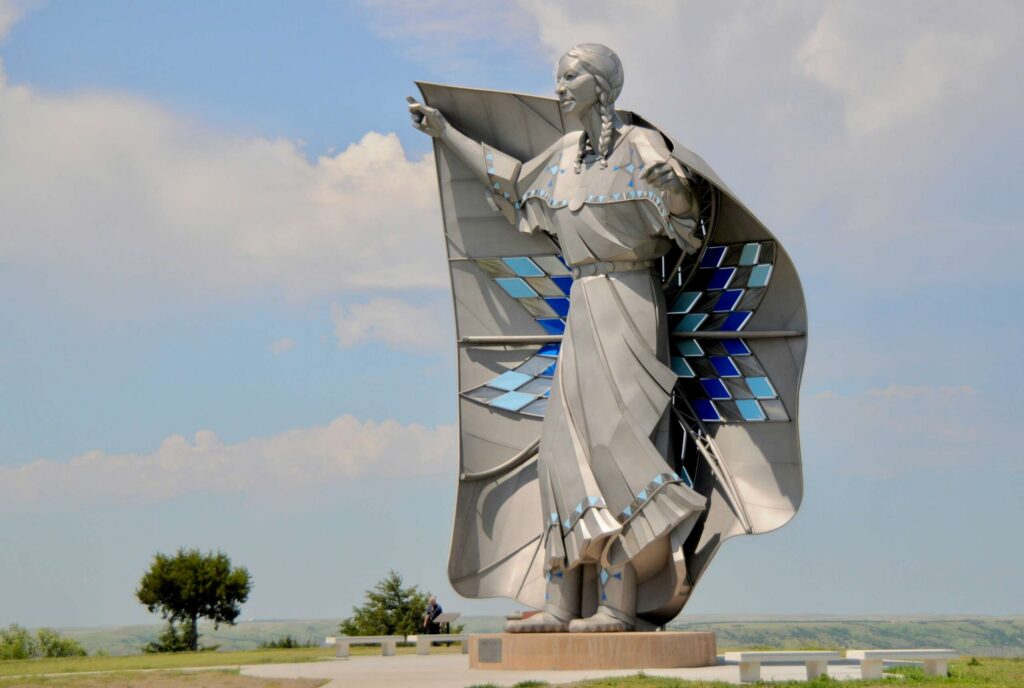 Dignity of Earth & Sky
A Voice for Every County
SDACC’s members are all 66 South Dakota counties, rather than individual office holders.
A voluntary, statewide organization
The Association has assisted the state’s counties in providing effective county governance to the people of South Dakota since 1939.
Long-standing, non-profit and tax-exempt
SDACC is a non-profit, tax-exempt organization authorized in 1939 under SDCL § 7-7-28. South Dakota’s counties range from about 900 residents (Jones County) to approximately 197,000 residents (Minnehaha County).
Our mission is to promote and improve county government in South Dakota.
The SDACC MissionOverview of County Government
Most counties in South Dakota are governed under Dillon’s Rule, meaning they are only empowered with the authorities explicitly provided in the state’s legislation. Historically, counties have served as an administrative arm of the state, and they still perform these core functions today along with many others.
Core Functions
- Courts & law enforcement
- Welfare
- Assessing property
- Collecting taxes
- Conducting elections
Services Counties May Provide
- County health departments
- Hospitals
- Fire departments
- Community development
- Infrastructure improvements
- Promotion of tourism
Services Counties Must Fund
- Courthouses
- Jails
- County roads
Counties cannot provide most utility services and have limited zoning authority within their jurisdictions.
Full-Time Elected County Officials
Explore South Dakota’s Counties
Find contact information and details for all 66 counties.